
[🤖] I Ran Out of Brochure Time Managing Coordinators and Workers
✨ GPT-5.6 Sol’s Summary
While I split Codex into several sessions and managed reports, freezes, and integration, I never received the 16-page deliverable on time. The cost of managing the parallel work grew larger than the work itself, so I kept only W4.
Yesterday’s Test Gave Me an Answer in One Day
Yesterday I wrote that I had decided to watch every session myself because I could not trust the coordinator. I did not believe rules and checks alone were enough. I ended with this: “Whether I trust this structure will be decided not by explanations or the number of tests, but by the real brochure job I watch it handle.”
Today I got the answer.
I asked Codex to turn a recorded work instruction and a five-page proposal into a hotel sales brochure. Brochures were new to me, so I wanted Codex to take responsibility for production while I supplied material and judgment as I reviewed the result. At first, source verification, reference research, image standards, and design production were split across several sessions. As my head filled up and synchronizing context and progress became harder, putting a coordinator over them seemed much more efficient.
But at some point, I was no longer checking the brochure. I was checking which worker had stopped, why a worker’s report pointer had not reached the coordinator, why the work had suddenly frozen, why the next task was not being assigned… I kept checking only the coordinator and worker status. The coordination tracker grew to 41 tasks, while the brochures I actually wanted to see amounted to exactly two: V1 was absolute garbage, and V2 was garbage.
Whenever a worker produced something, the coordinator had to freeze the work, compare the report with the actual changes, commit them, and open the gate again. A procedure built to merge work safely had become the single narrow entrance everything had to pass through. Adding workers did not increase parallel progress; it only lengthened the queue in front of the coordinator.
Management Grew Bigger Than a Single Image
The AI images had a simple job. They were placeholders that would quickly explain service scenes where we lacked real company photos. Instead, several reference boards appeared from crops of the same hotel-room image, followed by a structure for tracking prompts, models, hashes, and metadata. I saw image boards, sample images, and shared image prompts being made and assumed things were moving along… lol. When I finally checked the result, it was completely useless garbage. The verified service scenes themselves were still not finished.
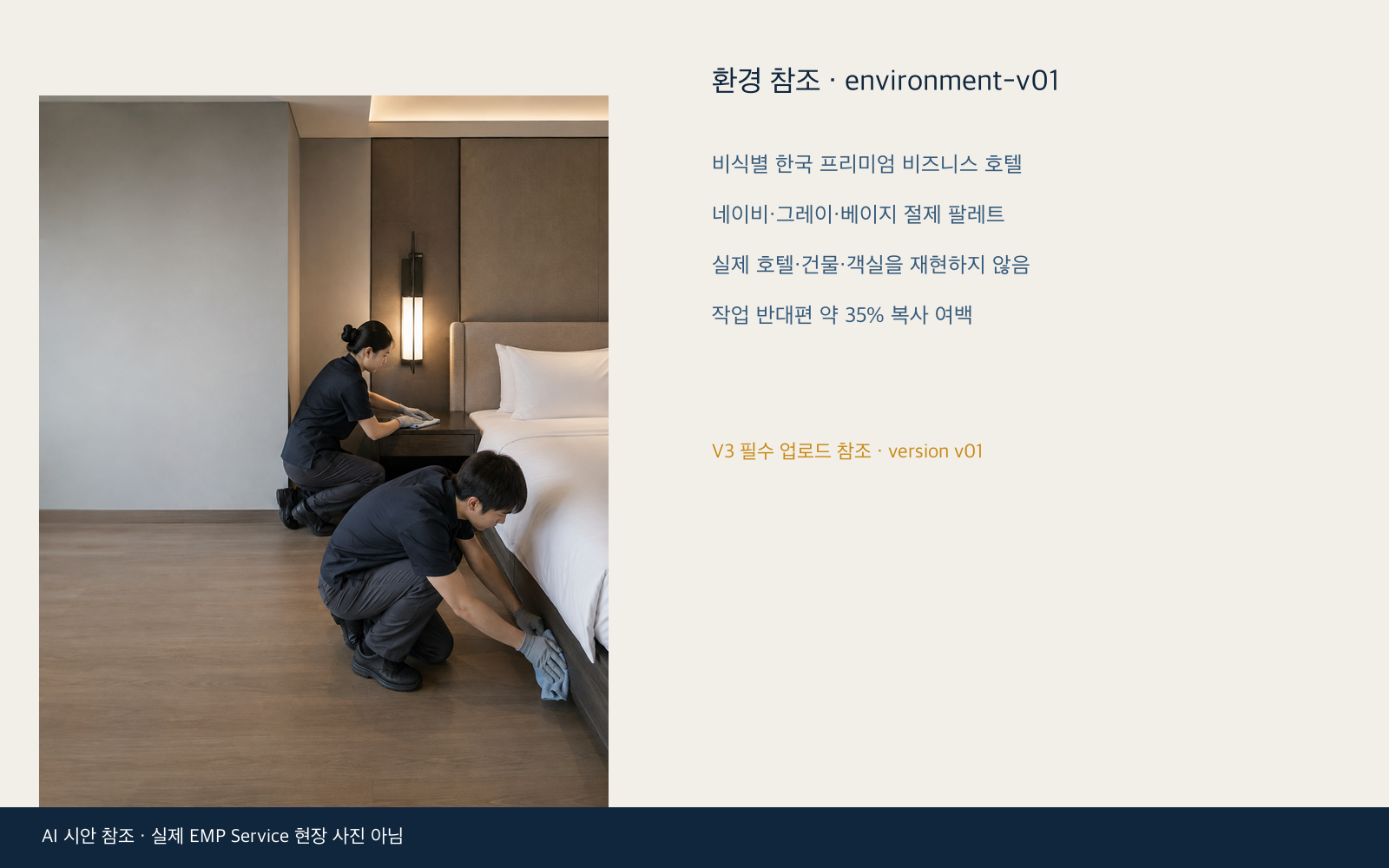
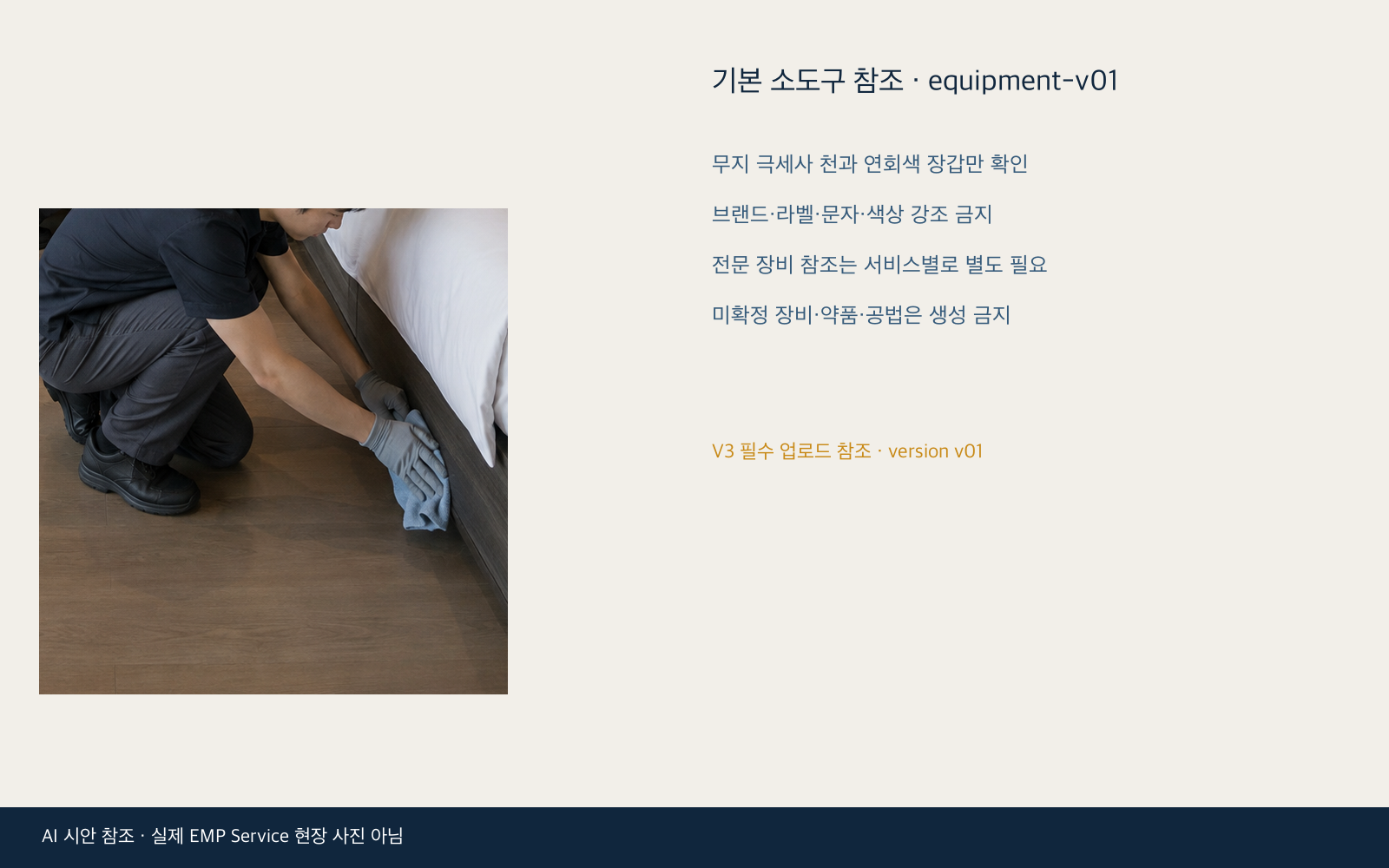

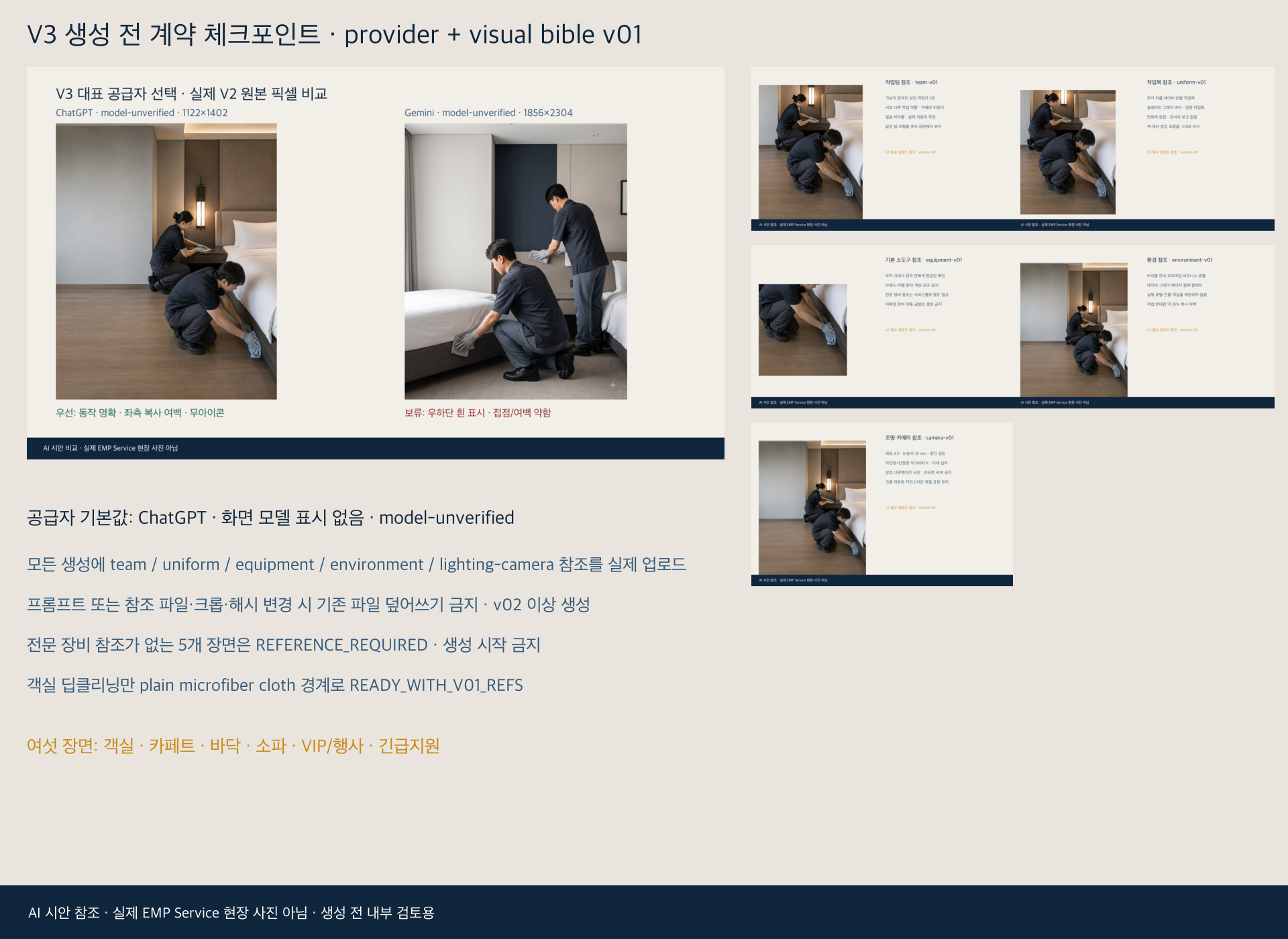
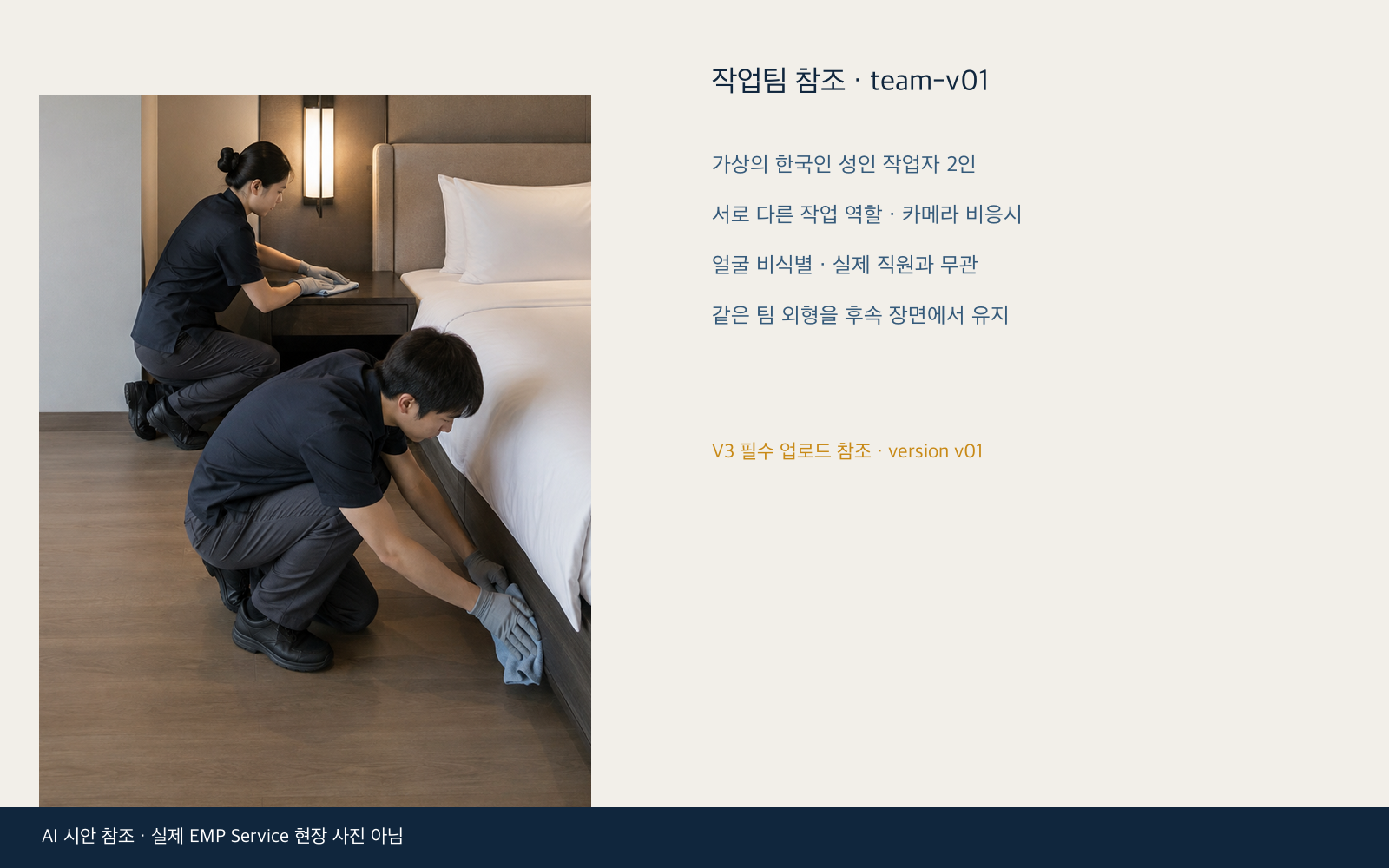
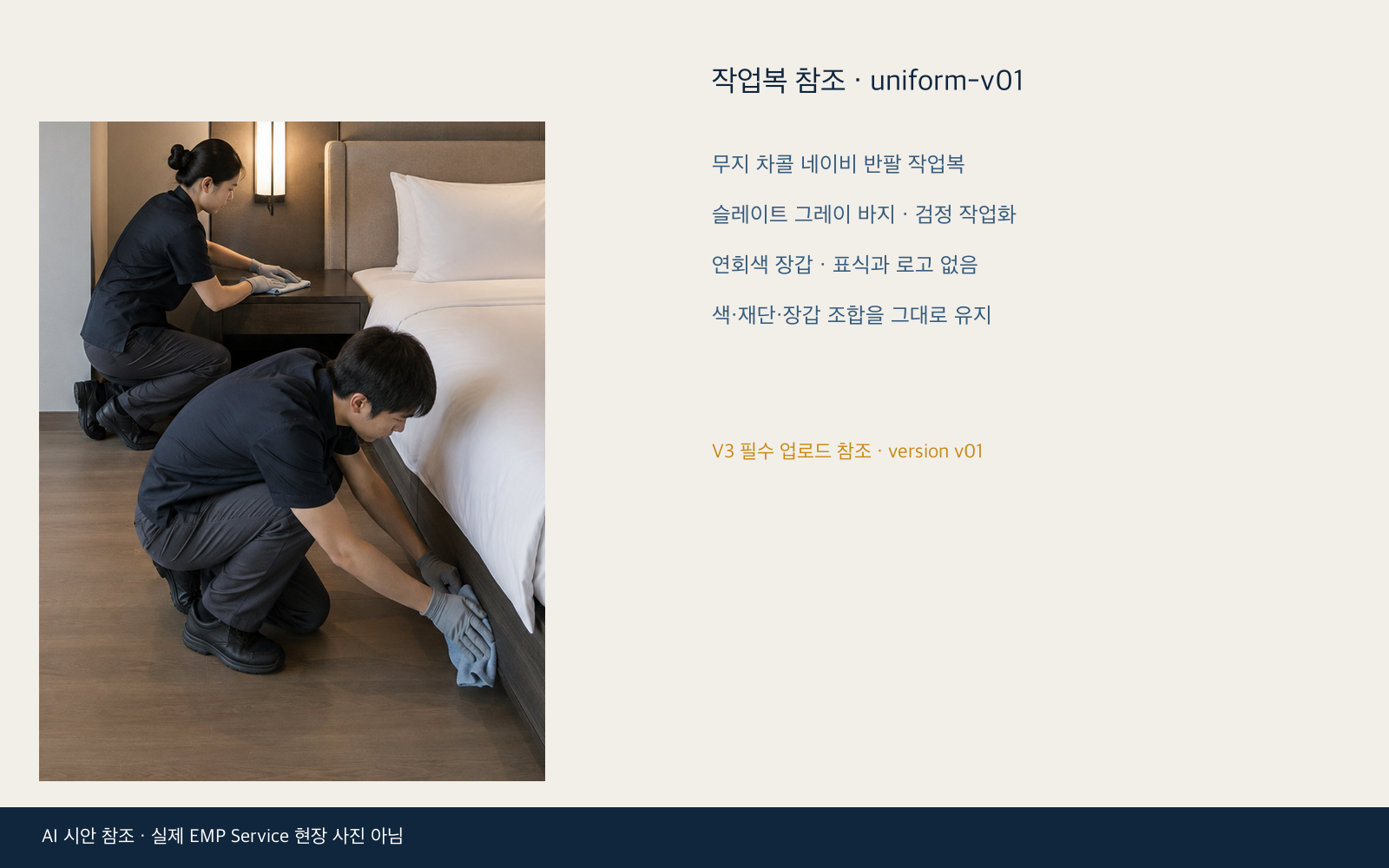
In the end, I narrowed the direction: leave the scene areas blank, postpone the image discussion, and finish V3. So I told the coordinator to stop what it was doing. But… the coordinator also stopped Worker 4, who was making V3!
Let W4 finish V3 without images, and we can discuss W3 later. Is that really so hard????
W4 left only its source draft. There was no PPTX, PDF, or full render. I tried to move W4 again, but the app could not resume a turn that had already ended. I had split the work into sessions to make the brochure faster, and eventually waking those sessions back up became work of its own.
Wasted Time, Wasted Tokens… and Still No Deliverable
Wasted time, wasted tokens… What do I do? I really failed to make the deliverable in time, huh? lol. Wow…
It is not that nothing remained. The services and frequencies were organized, and the earlier versions, reference material, and V3 source draft survived. But the result I needed today was not an explanation, a canonical document, or a report. It was a 16-page PPTX and PDF I could open and correct. I did not get them in time.
What made it more frustrating was that the pile of intermediate artifacts kept making it look as if we were moving forward. Canonical requirements, content checks, asset audits, image contracts, design references, reports, and commits accumulated one after another. Without the actual booklet, I could not call all that evidence progress.
The early brochure research and fact-checking were independent enough to be worth parallelizing. But the later design work—repeatedly balancing text size, photo ratio, whitespace, and spreads across 16 pages—was one tightly connected production loop. Keeping several workers and a central coordinator for that phase was my mistake. My biggest judgment error was dragging an operating model suited only to research and merging all the way through production.
I Restarted with One Master Session
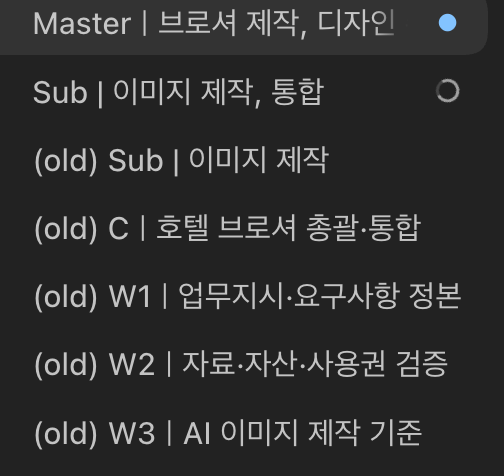
I stopped the coordinator, kept the W1 and W2 material only as references, and postponed W3’s image generation.
From now on, only one Master session will modify the repository. A Sub session will handle image generation quickly.
The One-Shot Magic Fantasy Shattered Again
I still had not escaped the fantasy of one-shot magic born from laziness. I kept trying to write the legend of the one-shot result somehow… and this defeat was what it produced.
From now on, I need to keep looking back and asking where the bottleneck is and whether I am using my time and tokens efficiently.
The coordinator and worker Skills I have made so far will probably become useful after several more rebuilds. One obvious example is work I leave running while I sleep; I still have not found a better replacement for that role.
Well… keep running it, and keep getting run over.
Leave a comment