
[📚] Reading - Models p159: My Beliefs Determine My Relationships (Similarity Effect, Expectation Effect)
✨ Summary by Gemini 2.5 Pro
Book cover for ‘Models.’ ‘Models’ p159-163. Things become what you want to believe.
- Original: http://blog.naver.com/hyeogikarp/223884341949
- Naver publication time: 2025/05/31 21:17 KST
- Original category: Reading
Original Post

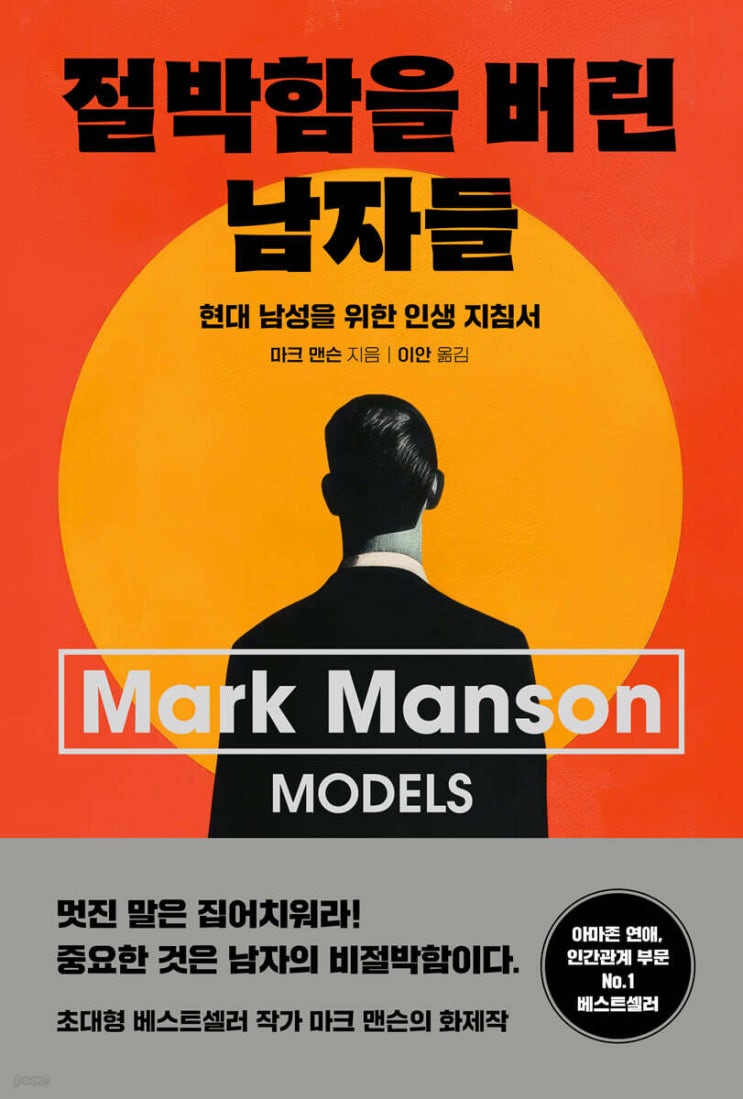
Book cover for ‘Models’
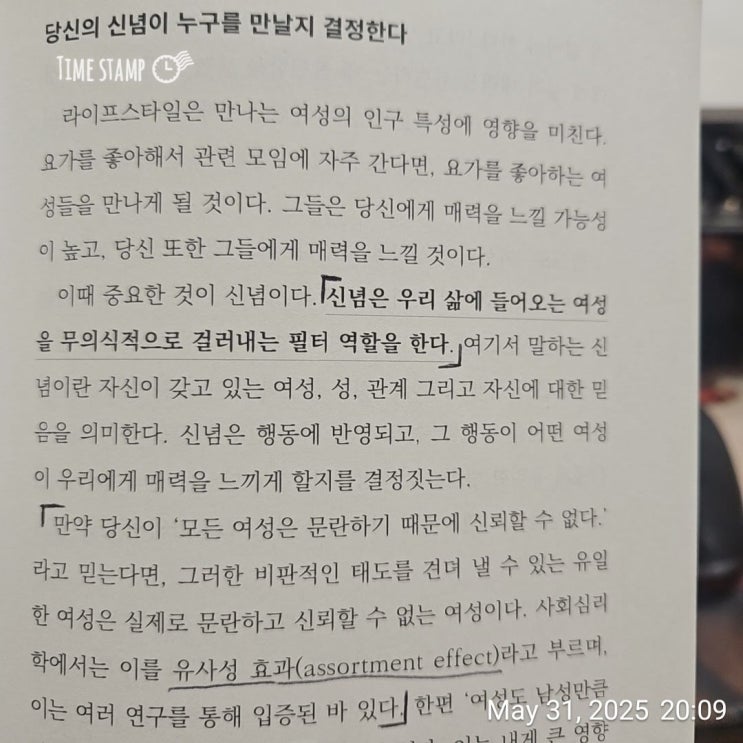
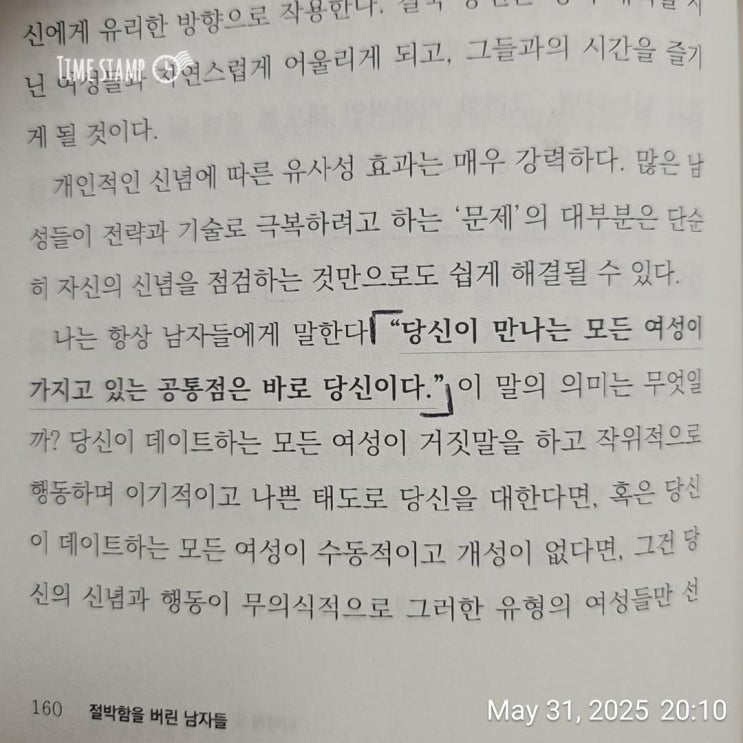
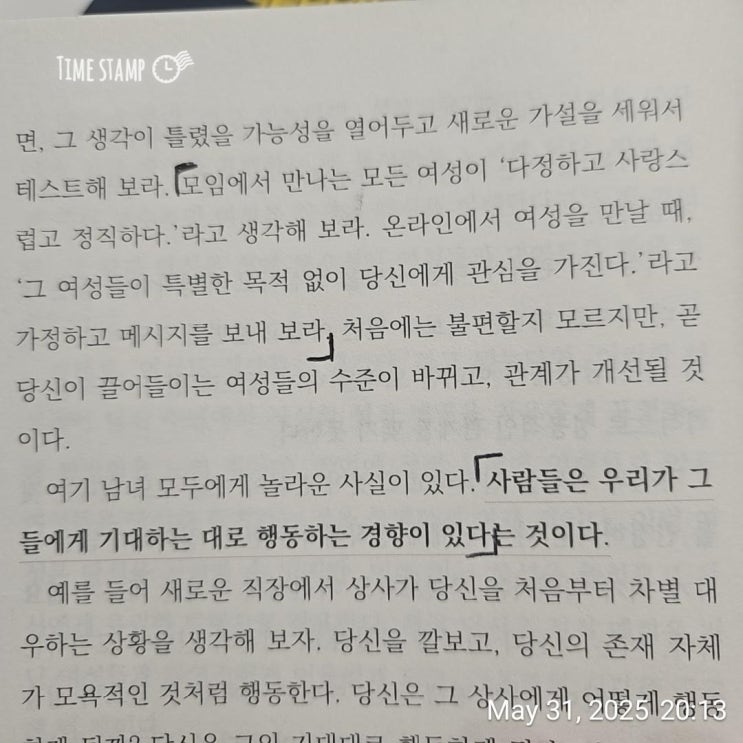
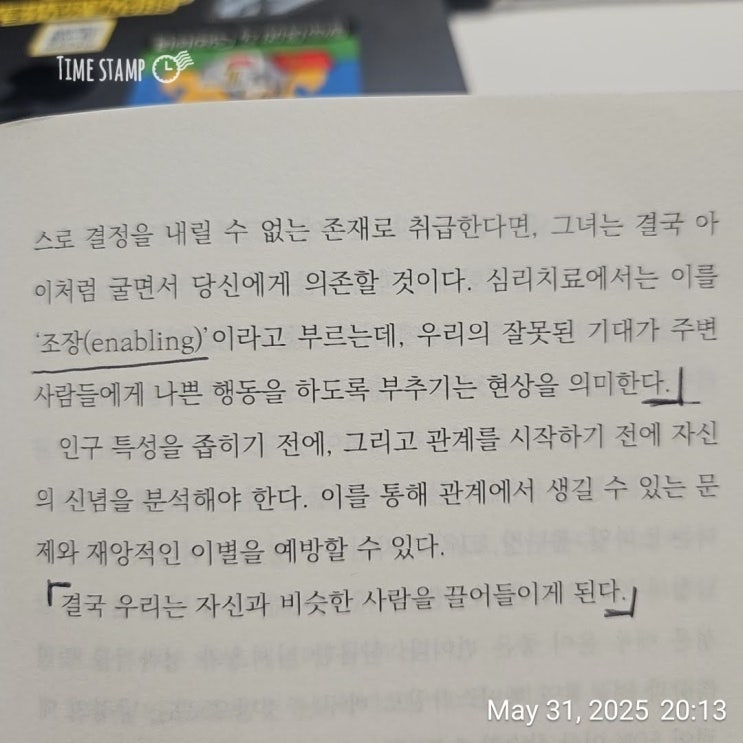
‘Models’ p159-163
Things become what you want to believe.
+
Birds of a feather flock together. Scientifically.
When people hear this, many think of the so-called “Secret” and its derivatives, and shake their heads. I am one of them. I strongly dislike empty claims that whisper about mysterious “energy of the universe” or “the law of attraction” and say every wish will magically come true. To be honest, I see those things as typical pseudoscience.
Rather than that kind of pseudoscience, I think pure faith that draws a clear line from science is better. Faith can remain in the realm of faith and therefore be separated from science, but pseudoscience is neither science nor faith. It sits in an awkward position and deceives people with strange logic. This kind of talk about “energy” sometimes feels like another name for intellectual laziness or avoidance of reality.
But the “power of belief” the author of this book argues for when saying “things become what you want to believe” is, thankfully, different in texture from that absurd pseudoscience. That is because the author’s claim is closer to a psychological approach.
The author explains that our beliefs go beyond simple autosuggestion and work as “unconscious filters” that determine the people we meet and the quality of our relationships.
The book points to the “similarity effect (assortment effect)” and the “expectation effect (Pygmalion effect or enabling)” as the core principles.

Similarity effect / expectation effect
The similarity effect refers to the phenomenon where the beliefs we hold act as an unconscious filter, eventually leading us to meet types of people who are similar to us or who confirm our beliefs. Put simply, the principle that “similar people meet each other” operates at the level of belief.
The expectation effect refers to the phenomenon where the expectations we hold toward others actually influence their behavior. Positive expectations can draw out positive behavior, but negative expectations or misguided help (enabling) can instead strengthen the other person’s negative side.
In other words, if the two effects above are combined and restated, the deeply rooted beliefs I hold pull in people similar to me like a magnet, and my unconscious expectations guide the other person’s behavior in a certain direction. (In other words, birds of a feather flock together. Scientifically.)
If I ever think, “Why is every person I meet like this?” then I must face the sharp insight that the common denominator in all those relationships is the beliefs of “myself.”
Thinking carefully back, I remember moments in past relationships when the people I met or my experiences with them often failed to meet my expectations.
Maybe the root cause of that disappointment was not only in the other person, but in my own distorted or immature beliefs about how I saw the world and treated people.
In the end, instead of relying on absurd external factors like luck or the energy of the universe, this book argues that if I want better human relationships, I need to honestly inspect and consciously improve my inner belief system first.
It hits the past version of me, who used to blame other people or the environment and fall into frustration, with the refreshing fact that the essence of the problem may actually have been the “wrong filter of beliefs” inside me.
Maybe now is the time to replace the old and negative beliefs inside me with new and healthy ones, in order to raise the quality of my relationships.
Wouldn’t that be the first step toward realistic self-growth and more satisfying relationships based on psychology, rather than vague hope?
Maybe this is the true substance of “meeting better people and forming better relationships according to what one believes.”
Leave a comment